When embarking on a new entrepreneurial venture, selecting the right laser marking machine is crucial. Currently, the market offers three main types of laser marking machines: fiber laser markers (primarily for engraving metals), CO2 laser markers (for non-metals), and the relatively more expensive UV laser markers (capable of engraving both glass and metal).
Today, we will focus specifically on fiber laser marking machines. These machines are relatively affordable and capable of marking a wide variety of products, making them an ideal entry-level choice for beginners looking to start a business by creating personalized, custom-made items.
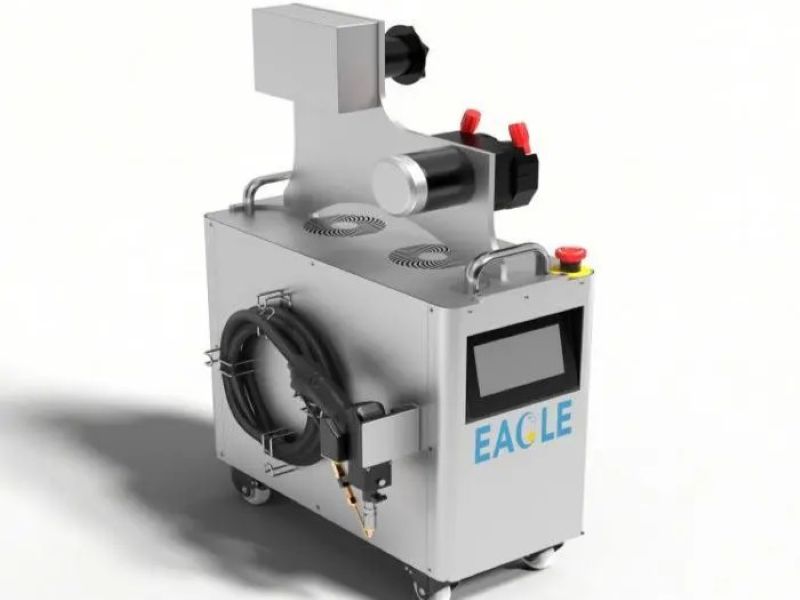
Most fiber laser marking machines currently on the market are "assembled units"—meaning their quality depends largely on the components chosen by the manufacturer during assembly. For individual entrepreneurs or small-scale operators, there is no need to purchase an excessively expensive machine; units costing upwards of 20,000 or 30,000 RMB are generally unsuitable for those just starting out. After all, starting a business does not guarantee immediate profits, so it is essential to minimize financial risk as much as possible.
The core component of any laser marking machine is the laser source itself. Currently, the price of a fiber laser marking machine varies depending on its specific configuration, typically ranging between 6,000 and 8,000 RMB. If you encounter a machine priced significantly higher than this range, you should definitely negotiate the price with the manufacturer.
For new entrepreneurs utilizing fiber laser marking—if your business model involves setting up a street stall or mobile booth—an "all-in-one" integrated unit or a portable model would be the most suitable choice. Conversely, if you anticipate receiving bulk processing orders, plan to set up a dedicated workshop, and intend to spend your days performing continuous processing tasks, a desktop or split-system model would be a better fit.
For those just starting a business, selecting the right machine is of paramount importance. Below, I have outlined the mainstream configurations currently offered by manufacturers on the market to serve as a helpful reference when you are making your selection:
Laser Source:Common options include domestic brands (such as Raycus, JPT, etc.) and imported brands (such as IPG). The primary differences lie in stability and price; for a new venture, choosing a mid-to-high-end domestic brand is more than sufficient.
Galvanometer:High-speed galvanometers can significantly boost marking efficiency. Common models vary depending on the intended marking area (field size); therefore, you should select a model that aligns with the dimensions of the products you intend to process.
Lente de campo: Diferentes lentes de campo correspondem a diferentes faixas de processamento. Os tamanhos mais comuns são 110×110mm e 150×150mm; os empreendedores devem escolher com base nos requisitos específicos de tamanho de seus produtos.
Software de controle: A maioria das máquinas atualmente no mercado vem equipada com o software EzCad. Ele possui uma interface amigável e alta compatibilidade, facilitando o aprendizado e a operação para iniciantes.
1. Quais materiais uma máquina de marcação a laser de fibra pode gravar?
As máquinas de corte a laser de fibra são indicadas principalmente para marcação em metais (como aço inoxidável, alumínio, ferro, ligas metálicas, etc.), bem como em alguns tipos de plástico. Itens comuns como copos de água, chaveiros, anéis e acessórios de ferramentas podem ser processados com elas.
2. Qual é a vida útil de uma única máquina?
De modo geral, a vida útil de uma fonte de laser de fibra pode ultrapassar 100.000 horas. Com uso normal, ela pode funcionar de forma confiável por vários anos — ou até mesmo uma década — sem problemas; o fator crucial, no entanto, reside na marca e na qualidade do componente principal do laser.
3. A máquina requer algum consumível durante o funcionamento?
As máquinas de marcação a laser de fibra praticamente não requerem consumíveis; basta manter as lentes e a própria máquina limpas. Comparadas aos equipamentos de gravação tradicionais, os custos operacionais a longo prazo são extremamente baixos.
4. É difícil de operar para iniciantes?
O software moderno de marcação a laser de fibra é geralmente bastante intuitivo, permitindo que os usuários dominem as operações básicas em poucos dias. Muitos fabricantes também oferecem vídeos de treinamento ou orientação remota, facilitando bastante o aprendizado para iniciantes.
5. E quanto às garantias e ao serviço pós-venda?
Este é um ponto crucial. Ao efetuar uma compra, é altamente recomendável perguntar especificamente se o fabricante oferece garantia, serviços de reparo pós-venda e suporte técnico remoto.